Machine learning has become an essential part of many industries today. It has revolutionized the way businesses operate, from fraud detection to predictive maintenance, and much more. However, building and deploying machine learning models can be a daunting task, especially when it comes to incorporating DevOps practices. In this blog post, we will explore how Python and DevOps can be used to build and deploy machine learning models.
Setting up the environment
Before we can start building and deploying machine learning models, we need to set up our environment. We will be using Python for this task. To start, we need to install the required libraries for machine learning. These include NumPy, SciPy, Pandas, Scikit-learn, TensorFlow, and Keras.
Once we have installed the necessary libraries, we can create our machine learning model. In this example, we will be using a simple linear regression model to predict the price of a house based on its size.
import pandas as pd
from sklearn.model_selection import train_test_split
from sklearn.linear_model import LinearRegression

# Load the data
data = pd.read_csv('house_prices.csv')

# Split the data into training and testing sets
train, test = train_test_split(data, test_size=0.2, random_state=42)

# Create the linear regression model
model = LinearRegression()

# Train the model
model.fit(train[['size']], train['price'])

# Evaluate the model
score = model.score(test[['size']], test['price'])

print("Model accuracy: ", score)
Building the pipeline
Once we have our machine learning model, we need to build a pipeline that can be used to deploy it. In this example, we will be using the following DevOps tools:
- Git for version control
- Docker for containerization
- Kubernetes for orchestration
- Jenkins for continuous integration and continuous deployment
We will use Git to manage the code for our machine learning model, Docker to package our model and its dependencies into a container, Kubernetes to manage and deploy the container, and Jenkins to automate the build and deployment process.
First, we need to create a Dockerfile that will be used to build our Docker container. The Dockerfile should include all the dependencies required to run our machine learning model.
FROM python:3.8-slim-buster

WORKDIR /app

COPY requirements.txt .

RUN pip install -r requirements.txt

COPY . .

CMD [ "python", "predict.py" ]
Next, we need to create a Kubernetes deployment file that will be used to deploy our container. The deployment file should include the configuration for the container, such as the image, ports, and environment variables.
apiVersion: apps/v1
kind: Deployment
metadata:
  name: house-price-predictor
spec:
  replicas: 3
  selector:
    matchLabels:
      app: house-price-predictor
  template:
    metadata:
      labels:
        app: house-price-predictor
    spec:
      containers:
      - name: house-price-predictor
        image: gcr.io/[PROJECT-ID]/house-price-predictor:v1
        ports:
        - containerPort: 8080
        env:
        - name: PROJECT_ID
          value: [PROJECT-ID]
Continuous integration and continuous deployment
Finally, we need to set up Jenkins to automate the build and deployment process. We can use Jenkins to monitor our Git repository and trigger a build whenever there is a new commit. Jenkins can then build the Docker container and deploy it to our Kubernetes cluster.
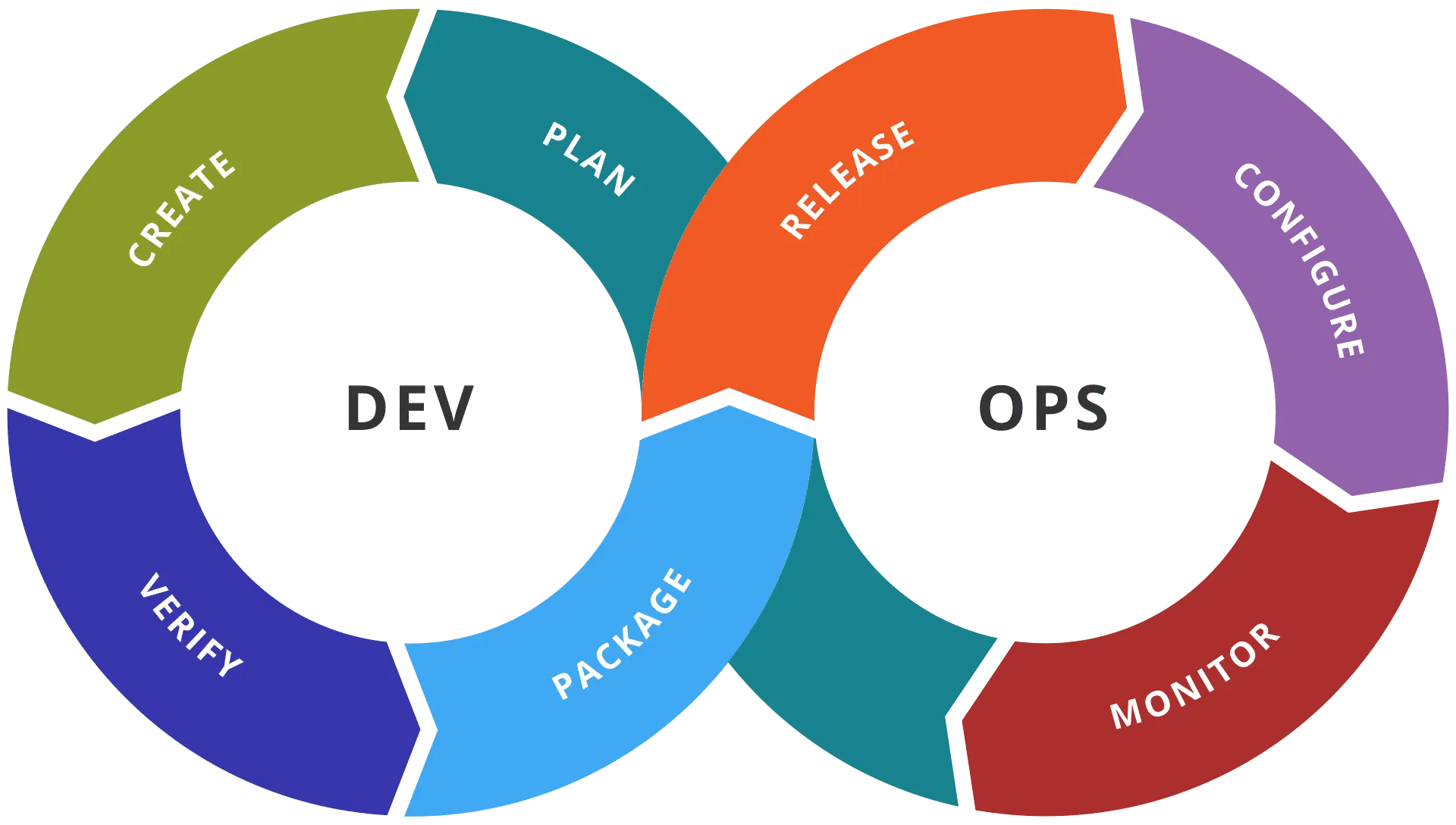
To set up continuous integration and continuous deployment, we need to create a Jenkins pipeline. The pipeline should include the following stages:
- Build: In the build stage, Jenkins will pull the latest code from the repository and build the Docker container for our machine learning model. This stage ensures that our model code is up-to-date and that the container is built correctly.
- Test: In the test stage, Jenkins will run automated tests on the container to ensure that our model is working as expected. We can include unit tests, integration tests, and end-to-end tests in this stage to cover all aspects of our model’s functionality.
- Deploy: In the deploy stage, Jenkins will deploy the container to our production environment. This stage can include various deployment strategies such as blue-green deployment or canary deployment to minimize downtime and reduce the risk of deploying a faulty model.
- Monitor: In the monitor stage, we use monitoring tools like Prometheus and Grafana to track the performance of our model in production. This stage is crucial to detecting issues early on and optimizing our model for better performance.
Conclusion
Once you have your model trained and tested, it’s time to deploy it to production. This is where DevOps practices come into play. DevOps is all about continuous integration, continuous delivery, and continuous deployment (CI/CD). It helps you automate your software development process, making it more efficient and reliable.
Here are some of the best DevOps practices you can use when building and deploying machine learning models:
- Version control: Use a version control system (VCS) like Git to manage your code and model files. This makes it easier to track changes, collaborate with others, and revert to previous versions if necessary.
- Containerization: Use containerization tools like Docker to package your model and its dependencies into a single container that can be deployed to any environment. This ensures that your model runs consistently across different environments and avoids dependency conflicts.
- Continuous integration: Use a continuous integration (CI) tool like Jenkins to automatically build, test, and validate your code changes. This helps catch errors early in the development process and ensures that your model is always working as expected.
- Continuous delivery: Use a continuous delivery (CD) tool like CircleCI to automatically deploy your model to production once it passes all tests in the CI phase. This ensures that your model is always up-to-date and running in the latest environment.
- Monitoring: Use monitoring tools like Prometheus and Grafana to track the performance of your model in production. This helps you detect issues early on and optimize your model for better performance.
By following these DevOps practices, you can build and deploy machine learning models with confidence and reliability. With Python and DevOps, you can automate your entire software development process and deliver high-quality machine learning models faster than ever before.